Island access: Daily via ferry (typically 75 minutes from Brisbane)
Duration: Day tours usually 8–12 hours; adventure packages up to 13 hours.
Best time to visit: Spring (Sept–Nov) and Autumn (Mar–May) provide warm weather, calm waters, and quieter experiences. Whale sightings and dolphin feedings are seasonal highlights.
Moreton Island: Scenic beaches, historic shipwrecks & outdoor adventures
What is Moreton Island?
Moreton Island is a pristine sand island located off the coast of Brisbane, known for its crystal-clear waters, shifting sand dunes, and rich marine life. Largely protected as Moreton Island National Park, the island offers a rare mix of untouched beaches, freshwater lakes, coral reefs, and historic shipwrecks.
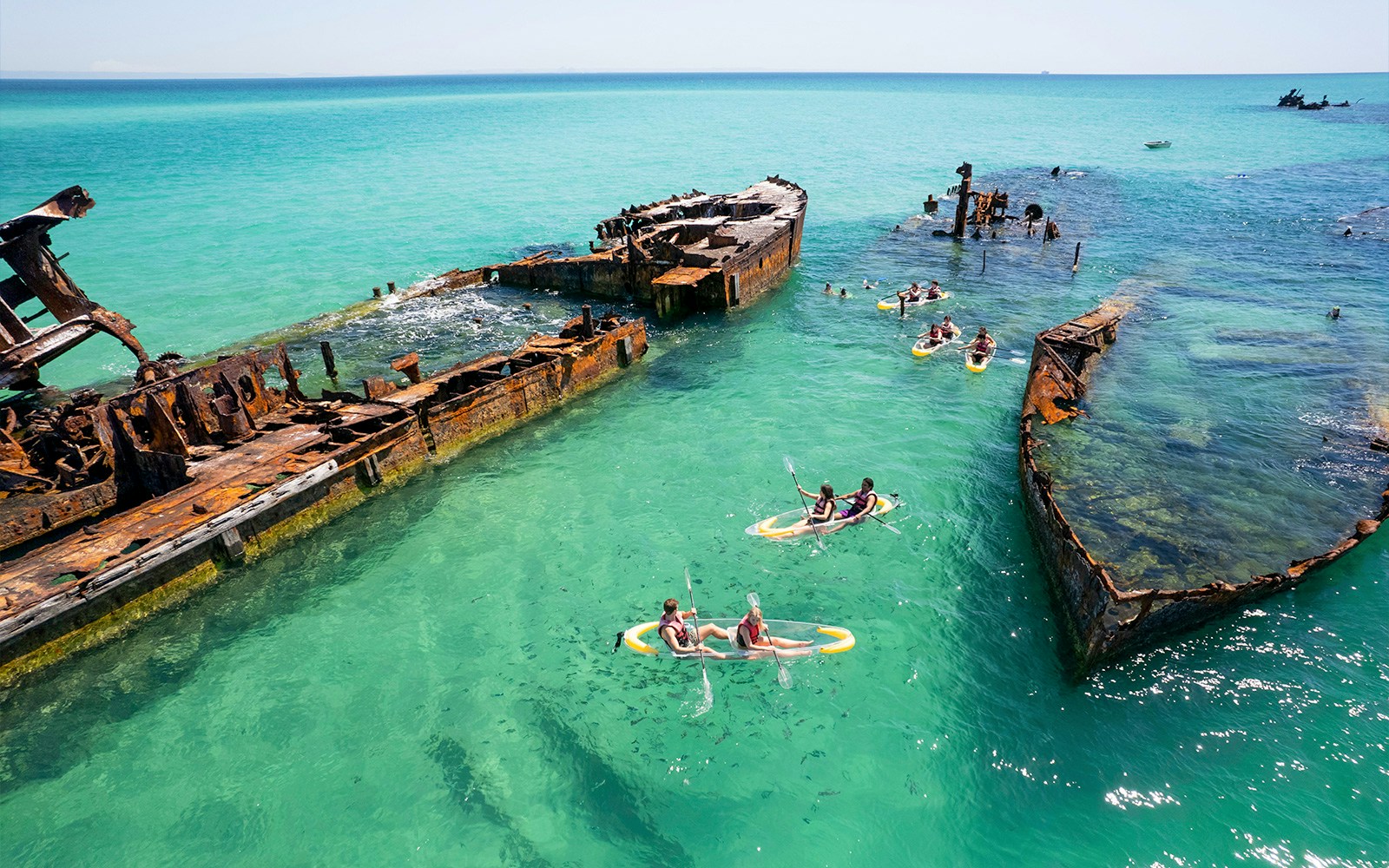
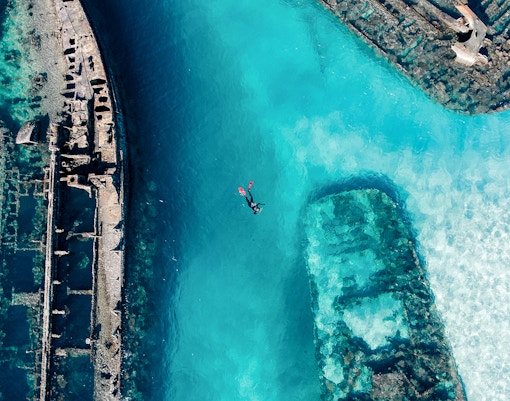
One of its biggest highlights is the famous Tangalooma Wrecks—sunken ships that now form a vibrant snorkelling haven filled with tropical fish and coral. From sandboarding and snorkelling to kayaking and wildlife spotting, Moreton Island is a top day-trip or overnight escape for nature lovers and adventure seekers alike.
Plan your visit to Moreton Island
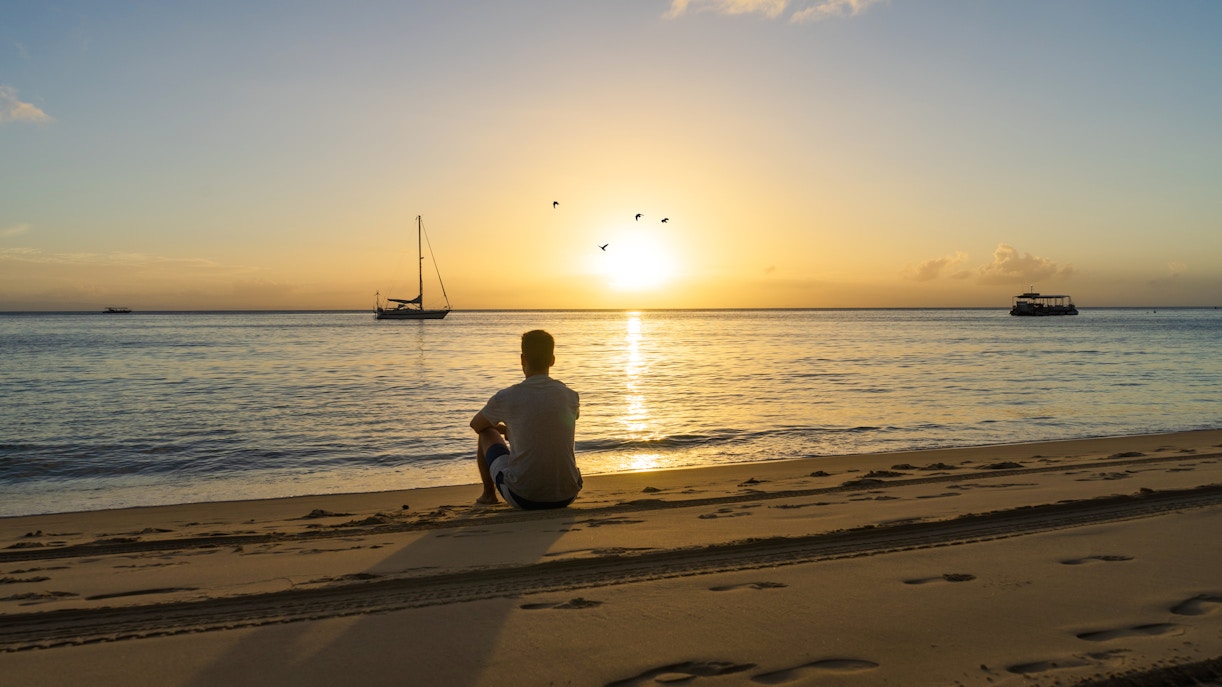
Moreton Island lies about 40 km off the coast of Brisbane and is accessible only by water, making it a perfect day-trip or overnight island escape.
Moreton Island is located about 40 km off Brisbane’s coast and can only be reached by water.
Ferry from Brisbane: Ferries depart from Holt Street Wharf or Rivergate Marina, taking around 75–90 minutes across Moreton Bay.
Guided tours: Many day tours include round-trip ferry transfers and optional coach pickups from Brisbane or the Gold Coast.
Self-drive + ferry: Drive to the ferry terminal, park nearby, and board the ferry—ideal for independent travellers.
Public transport: Trains or buses run to the ferry terminals, followed by the ferry crossing to the island.
Top spots to see at Moreton Island
1/5
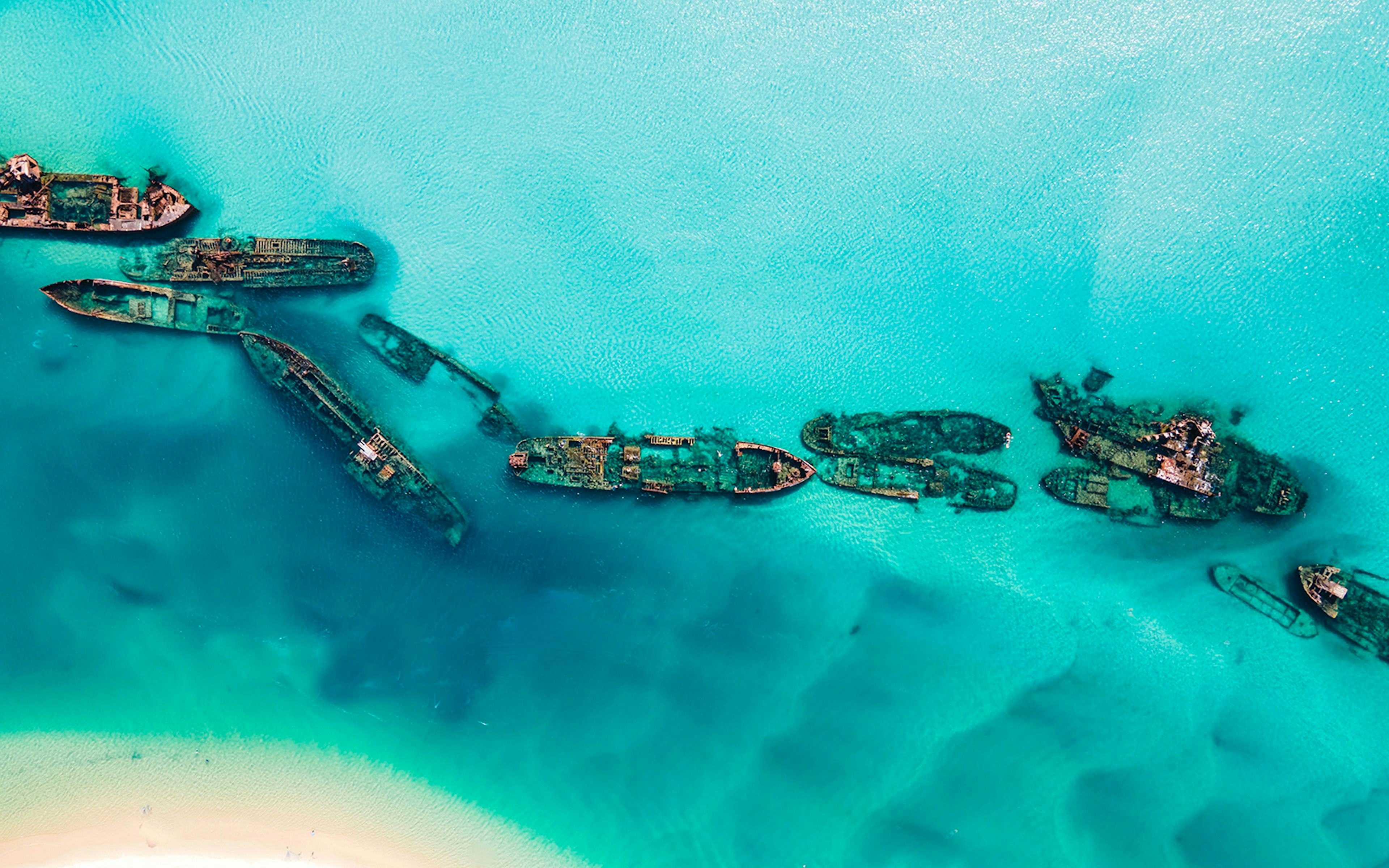
Tangalooma Wrecks
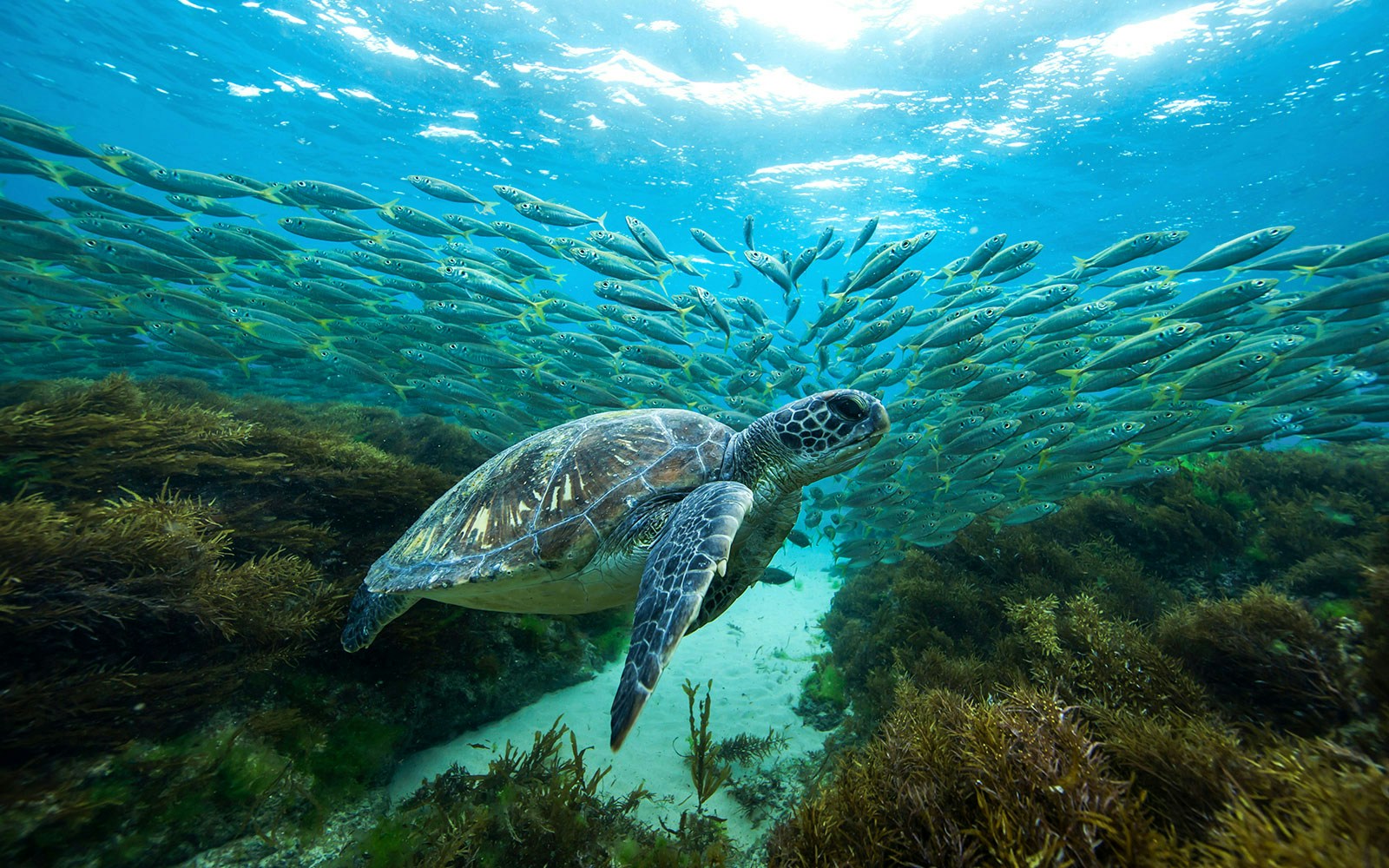
A group of deliberately sunk ships forming a protected snorkelling zone, home to coral gardens, turtles, rays, and hundreds of fish species in calm, shallow waters.
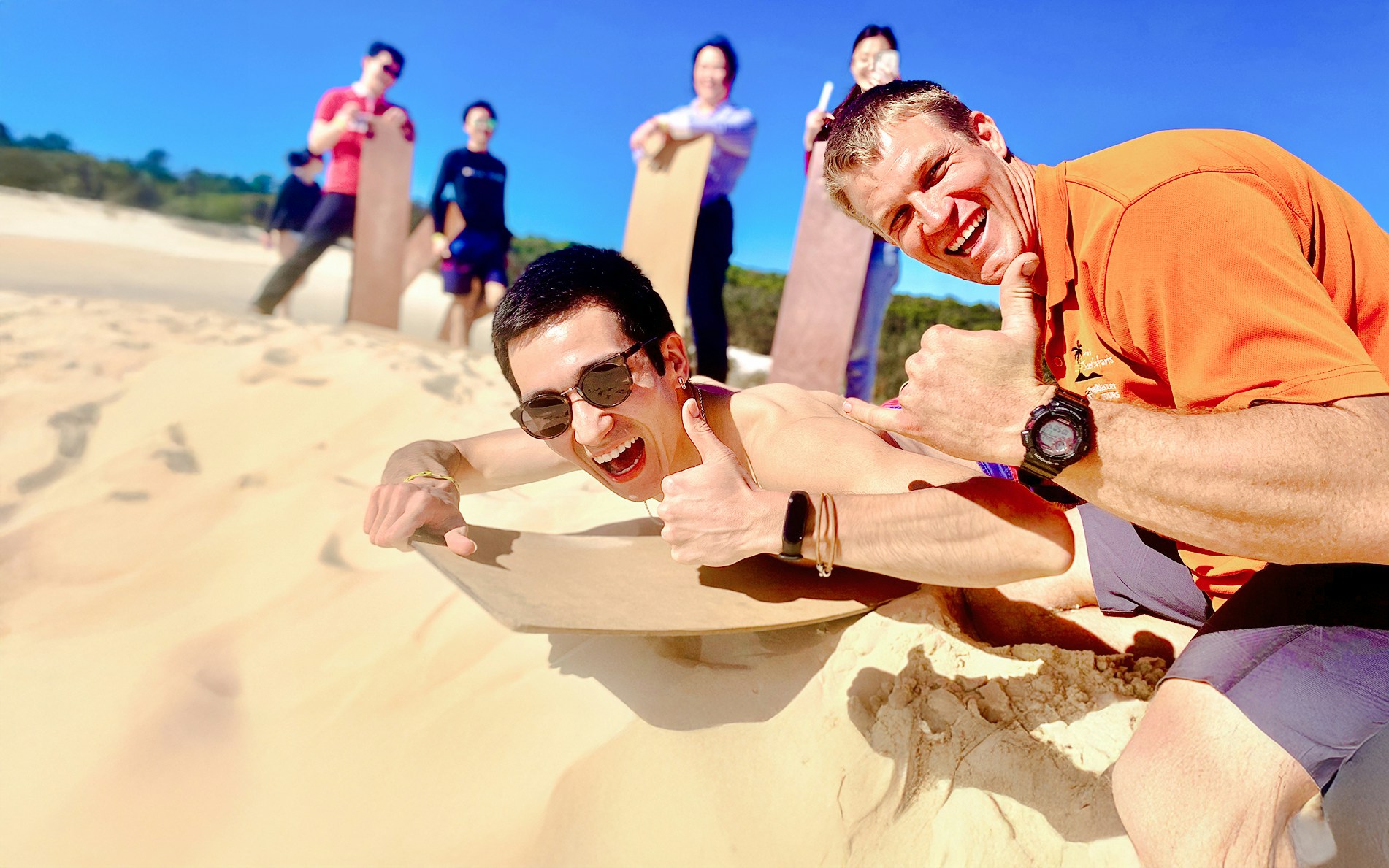
The Desert (Sand Dunes)
One of the island’s largest sand dune systems, where steep slopes allow for sandboarding and offer elevated views across beaches and Moreton Bay.
Blue Lagoon
A naturally fed freshwater lake with clear water and sandy edges, popular for swimming, cooling off, and relaxed breaks between coastal activities.
Cape Moreton Lighthouse
Built in 1857, this historic lighthouse marks Queensland’s easternmost point and provides sweeping ocean views and prime whale-watching during migration season.
Bulwer Township
Moreton Island’s main settlement featuring quiet beaches, picnic areas, jetty access, and limited but essential visitor facilities.
Top activities to do at Moreton Island
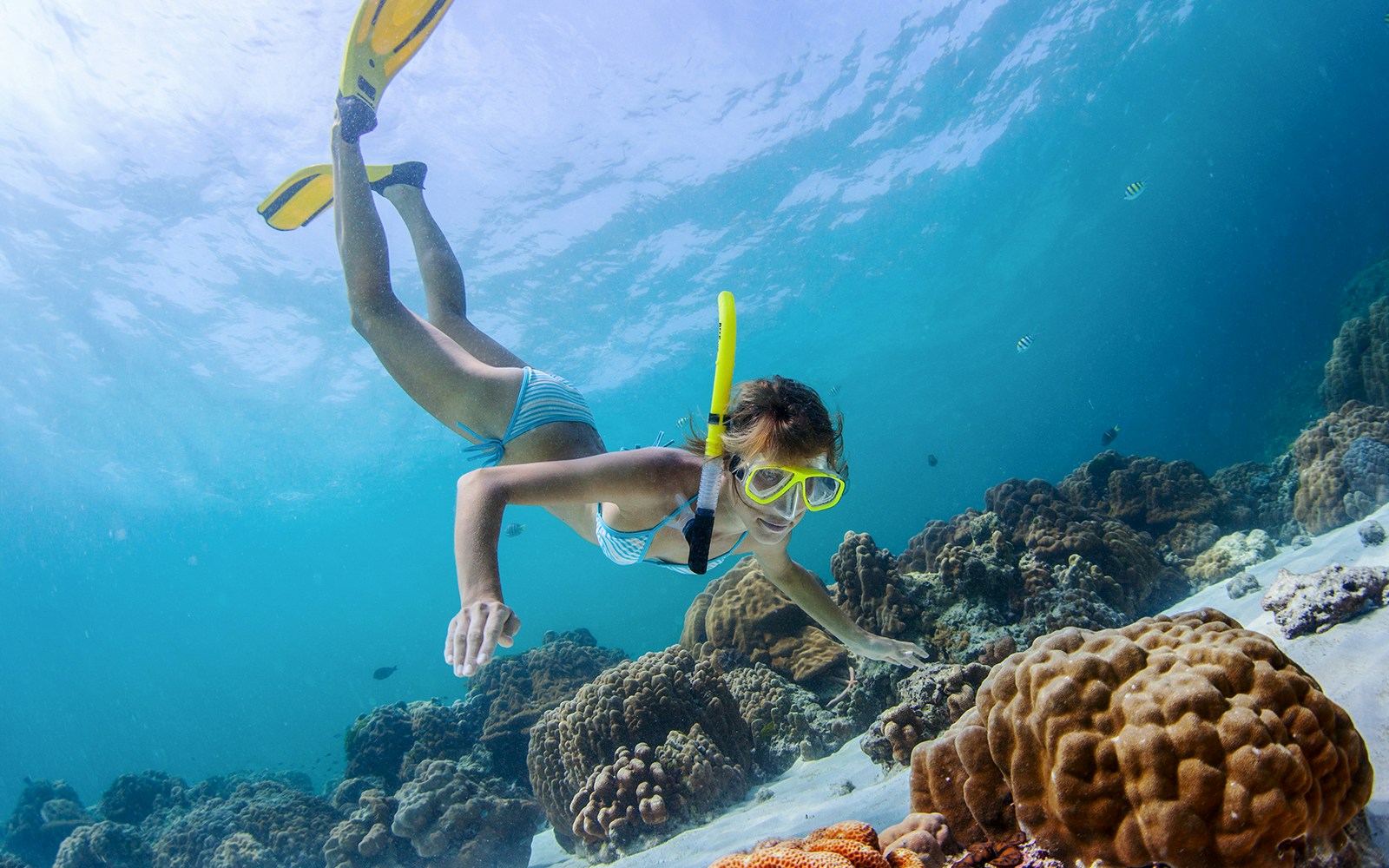
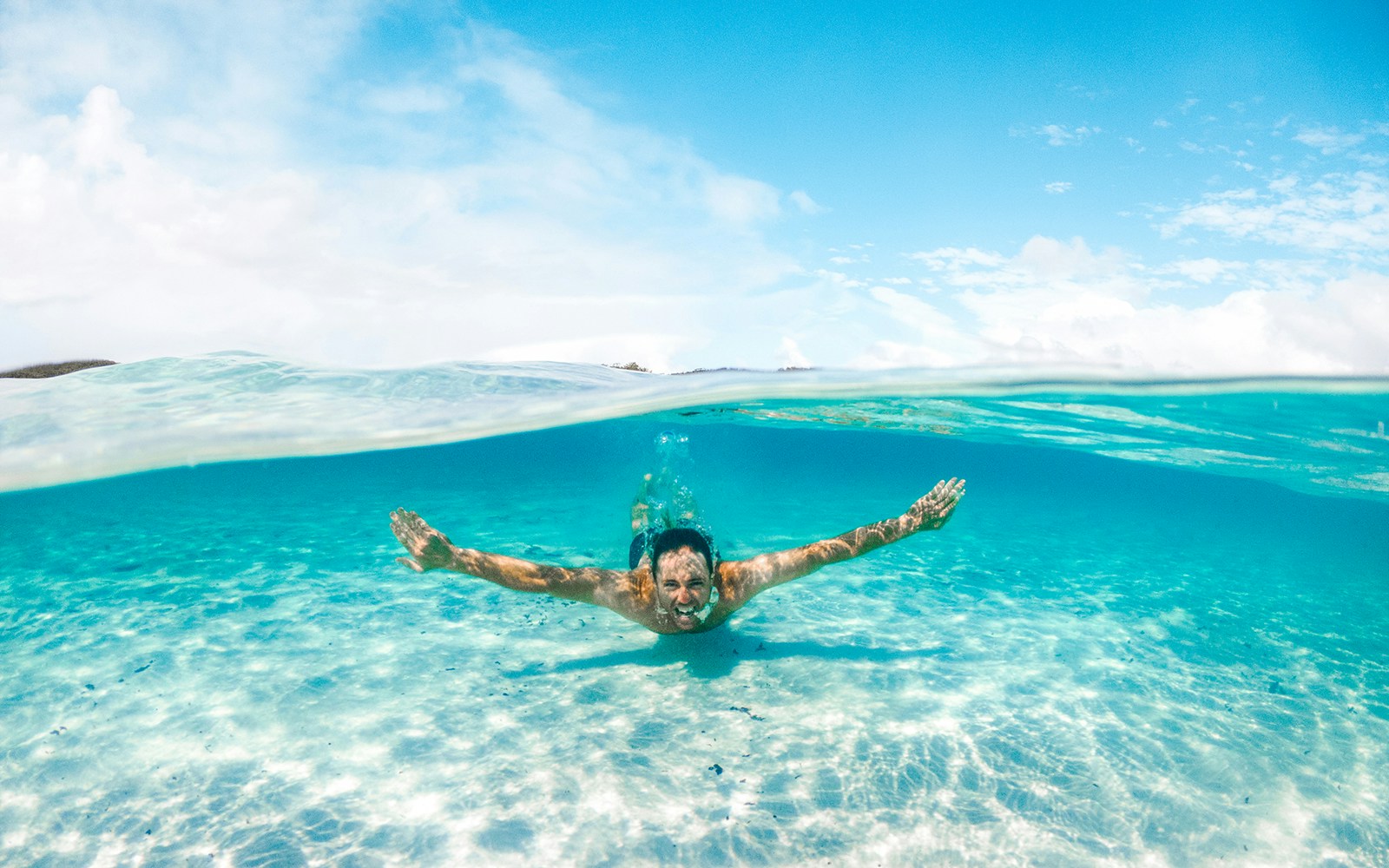
Snorkelling at Tangalooma Wrecks
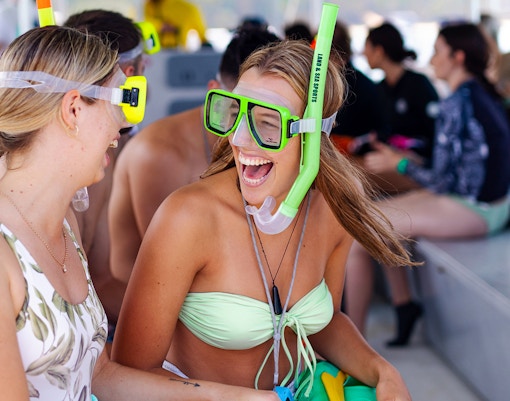
Explore shallow waters around sunken ships teeming with fish and coral.
Hidden Spots at Moreton Island
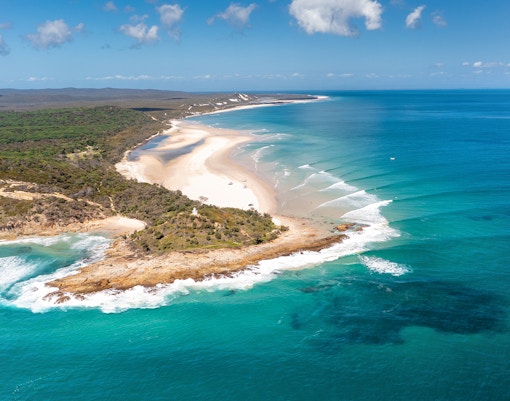
Honeymoon Bay
A quiet, sheltered beach with calm turquoise waters and rock pools, perfect for swimming, picnics, and peaceful relaxation away from crowds.
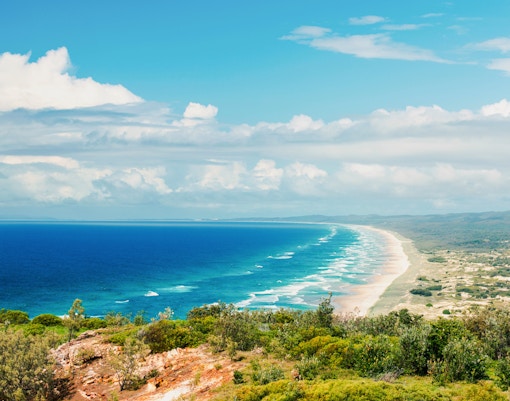
North Point Lookout
A rugged coastal headland offering panoramic views of Moreton Bay and excellent opportunities to spot dolphins, turtles, and migrating whales.
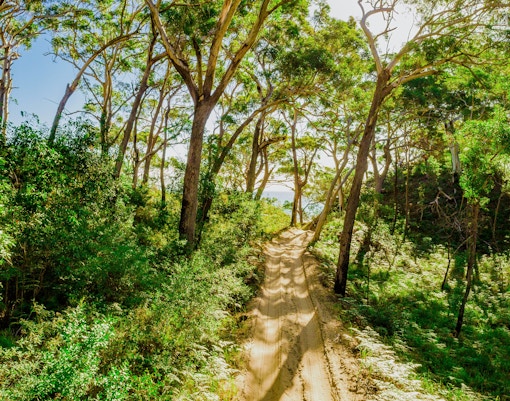
Bulwer Coastal Trails
Less-travelled walking tracks around the township offering quiet beaches, forest walks, and birdwatching opportunities.
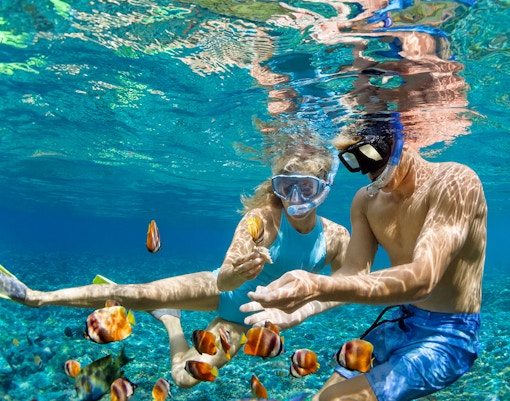
Wrecks’ Outer Reefs
Snorkelling beyond the main Tangalooma Wrecks area, teeming with colorful fish, coral, and other marine life, with fewer visitors.
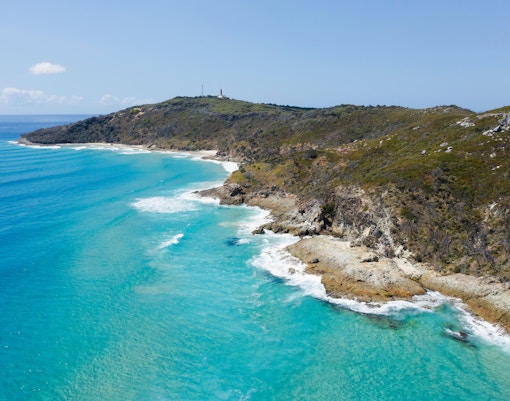
Cape Moreton Eastern Shore
A rugged stretch of coastline beyond the lighthouse, perfect for secluded beach walks, exploring rock pools, and catching spectacular sunsets.
Wildlife you can spot on Moreton Island
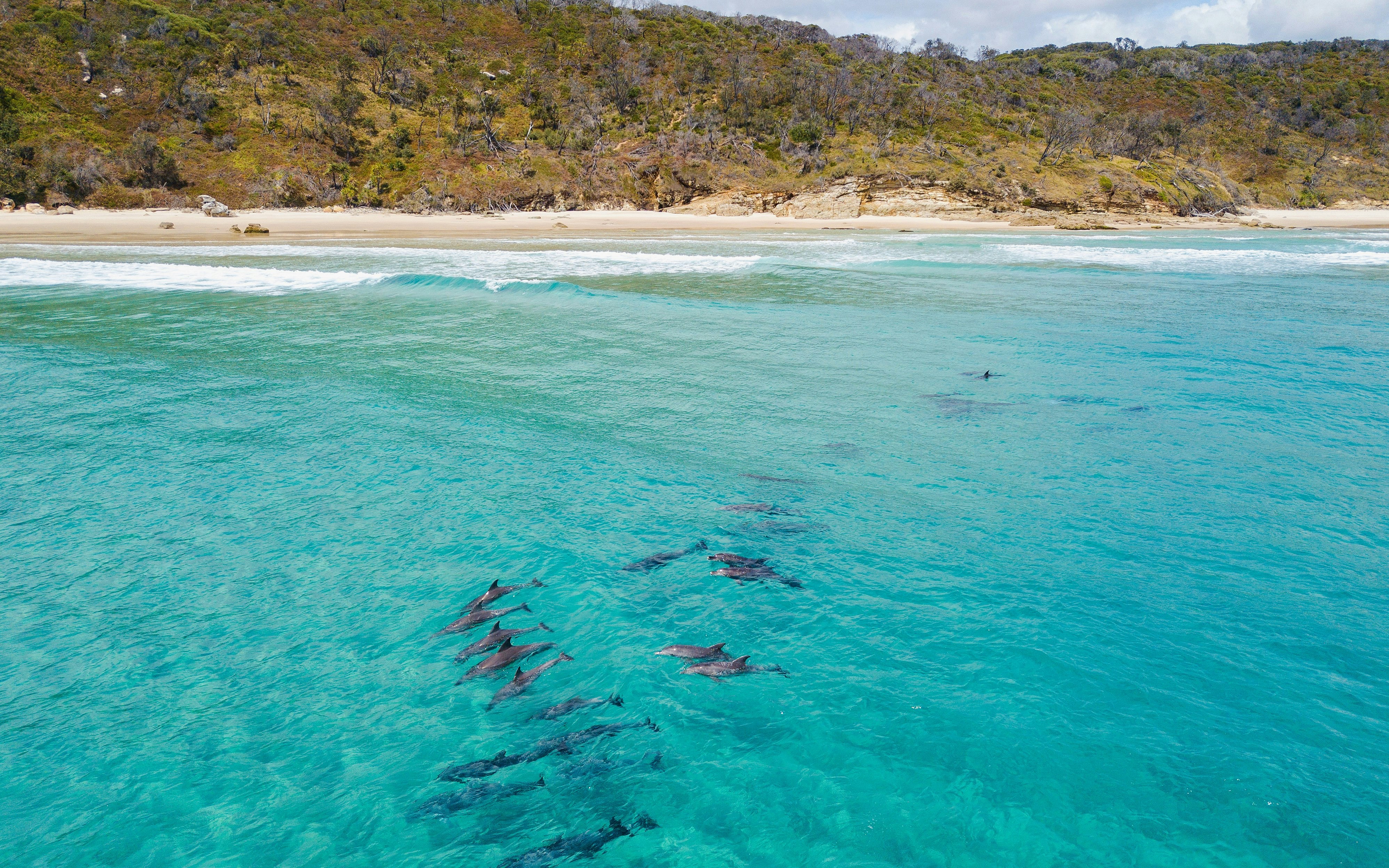
Dolphins
Bottlenose dolphins often swim near the Tangalooma Wrecks, with some tours offering supervised feeding.
Tips for visiting Moreton Island
- Use visitor information hubs: Check ferry terminals or Tangalooma visitor centres for activity schedules, equipment hire, and safety updates.
- Plan your route wisely: The island is large—map out snorkelling, sandboarding, and hiking spots to make the most of your day.
- Ask guides about island history: Learn about shipwrecks, lighthouse stories, Indigenous heritage, and local legends from tour guides.
- Book sunrise or early ferry trips: Beat the crowds and enjoy calmer waters for snorkelling, kayaking, and dolphin sightings.
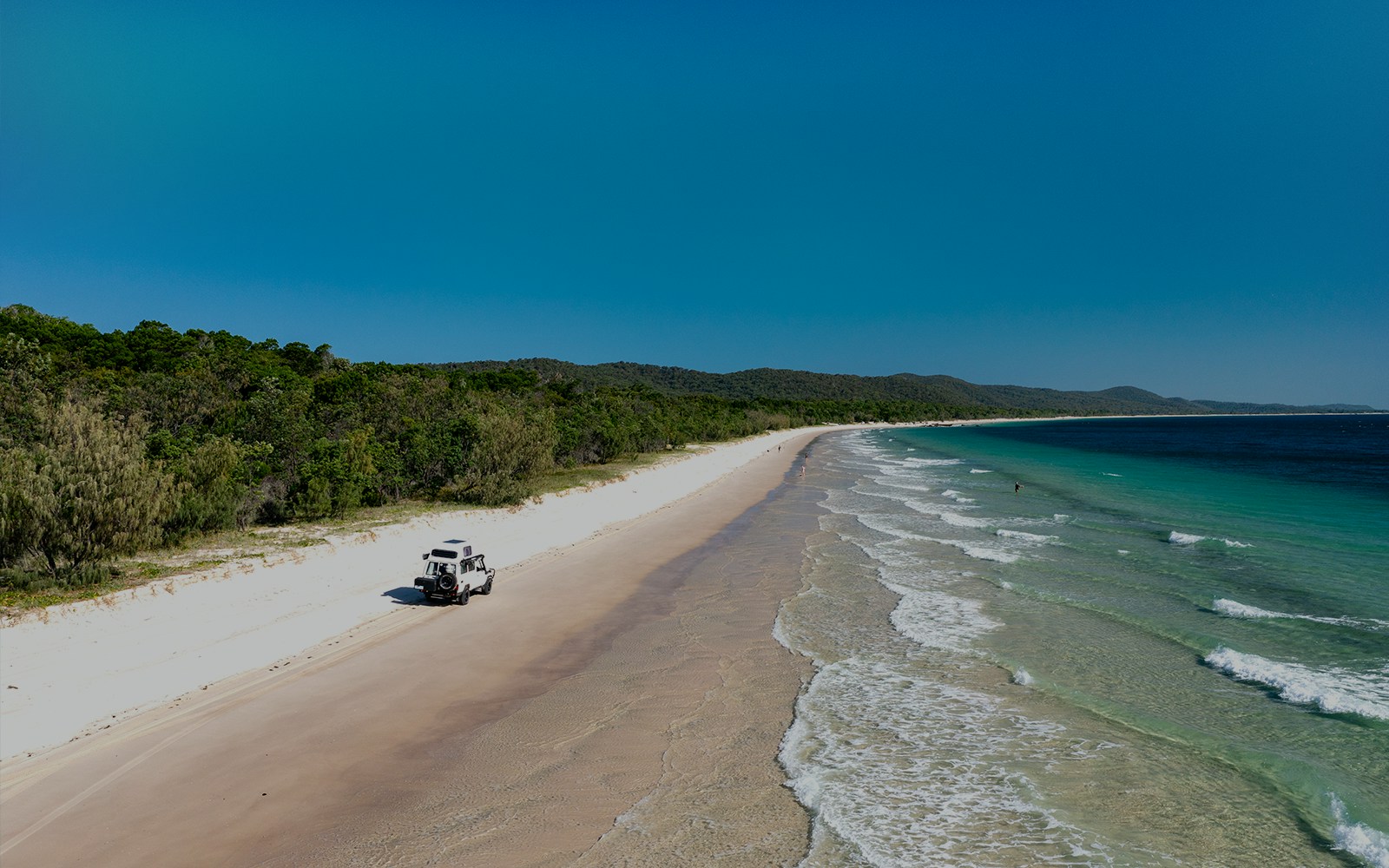
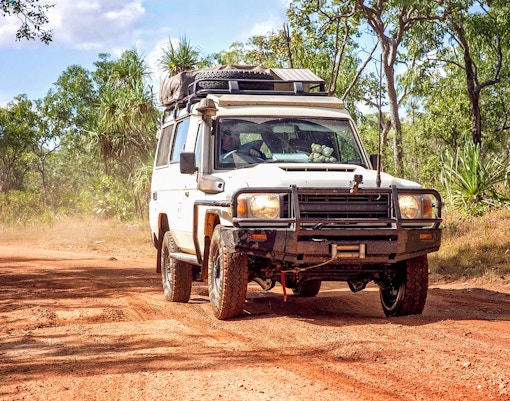
- Hire 4WD for hidden spots: Many beaches, dunes, and bush tracks are only accessible with a 4WD; it’s the best way to explore off-the-beaten-path areas.
- Explore the island interior: Bush trails and freshwater ponds offer solitude, unique wildlife sightings, and great photography opportunities.
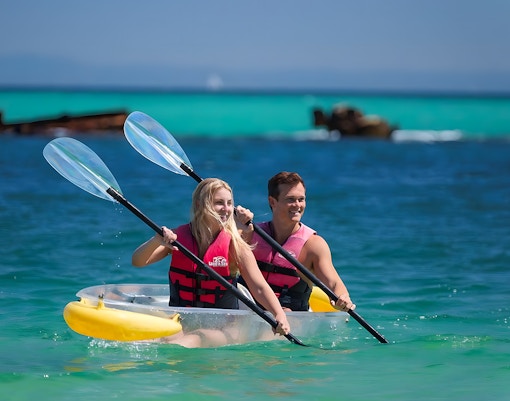
- Check tide charts before kayaking or swimming: Low tides reveal sandbars and shallow reefs; high tides make paddling easier in some areas.
Frequently asked questions about Moreton Island
It’s Australia’s third-largest sand island, covering roughly 186 km² of dunes, forests, wetlands, and beaches.
The island features Tangalooma Wrecks, towering sand dunes, freshwater lakes, pristine beaches, and protected national park areas.
The island is accessible only by ferry from Brisbane’s Holt Street Wharf or Rivergate Marina, or via organised tours with included transfers.
Yes, weekends, school holidays, and peak seasons sell out quickly, so advance booking is recommended.
You can explore independently by self-drive to the ferry terminal and bringing your own gear, but guided tours simplify transport and activities.
Popular activities include snorkelling, sandboarding, kayaking, dolphin feeding, bushwalking, beachcombing, and whale watching seasonally.
Yes, activities like shallow-water snorkelling, sandboarding, and calm lagoons are family-friendly, while dolphin feeding is supervised.
Yes, options include eco-lodges, camping sites, and some resorts, but most day visitors return the same day.
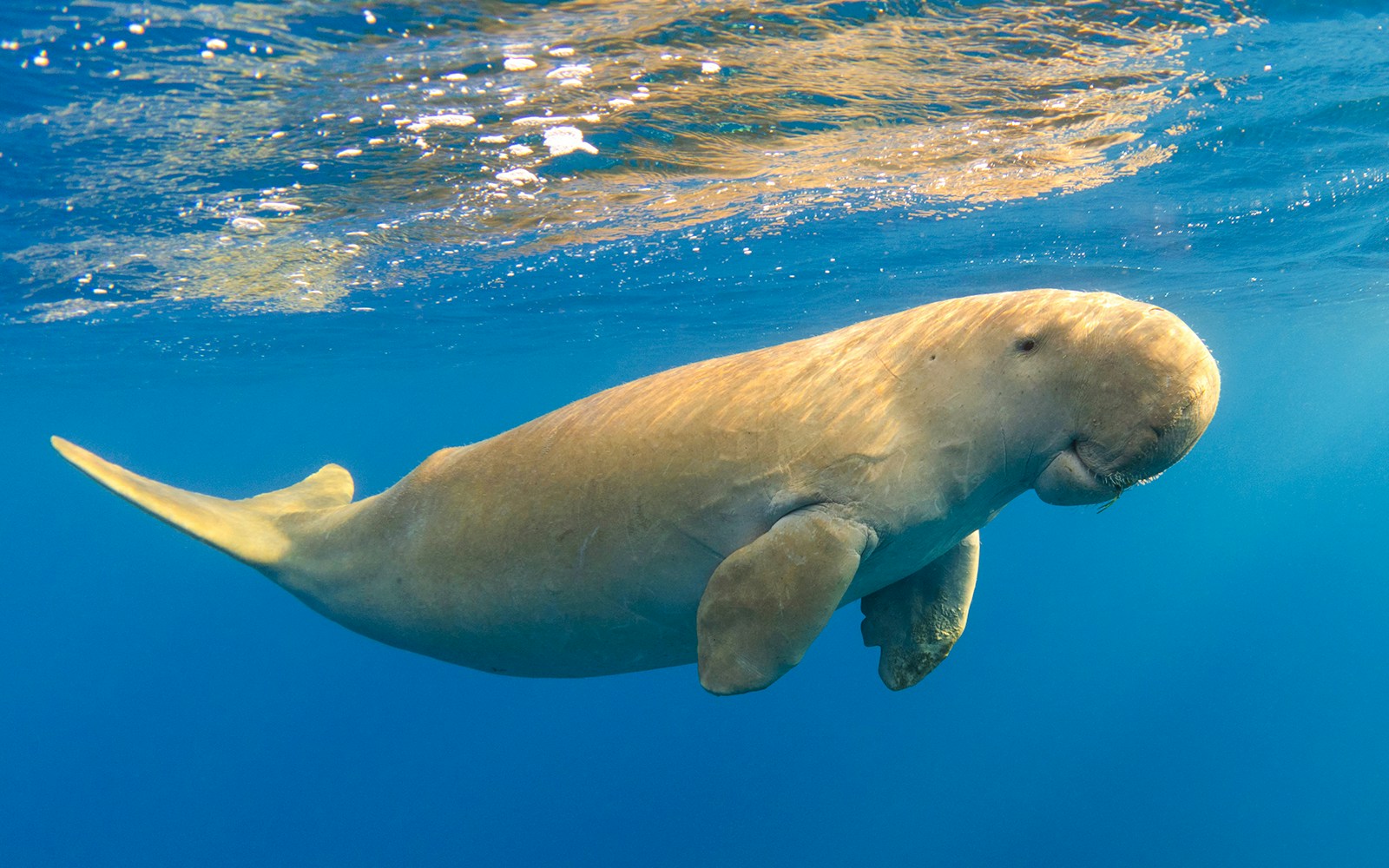
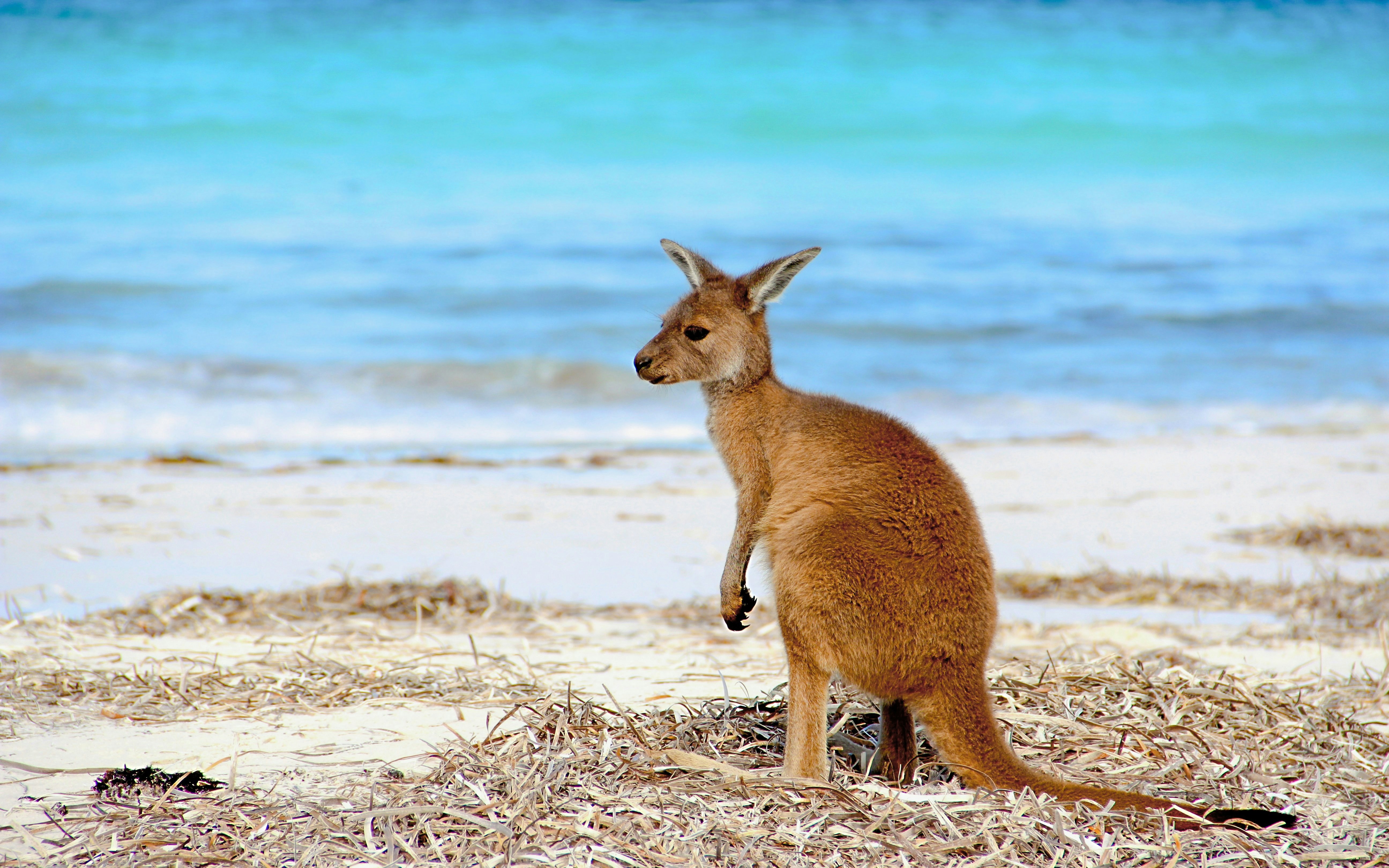
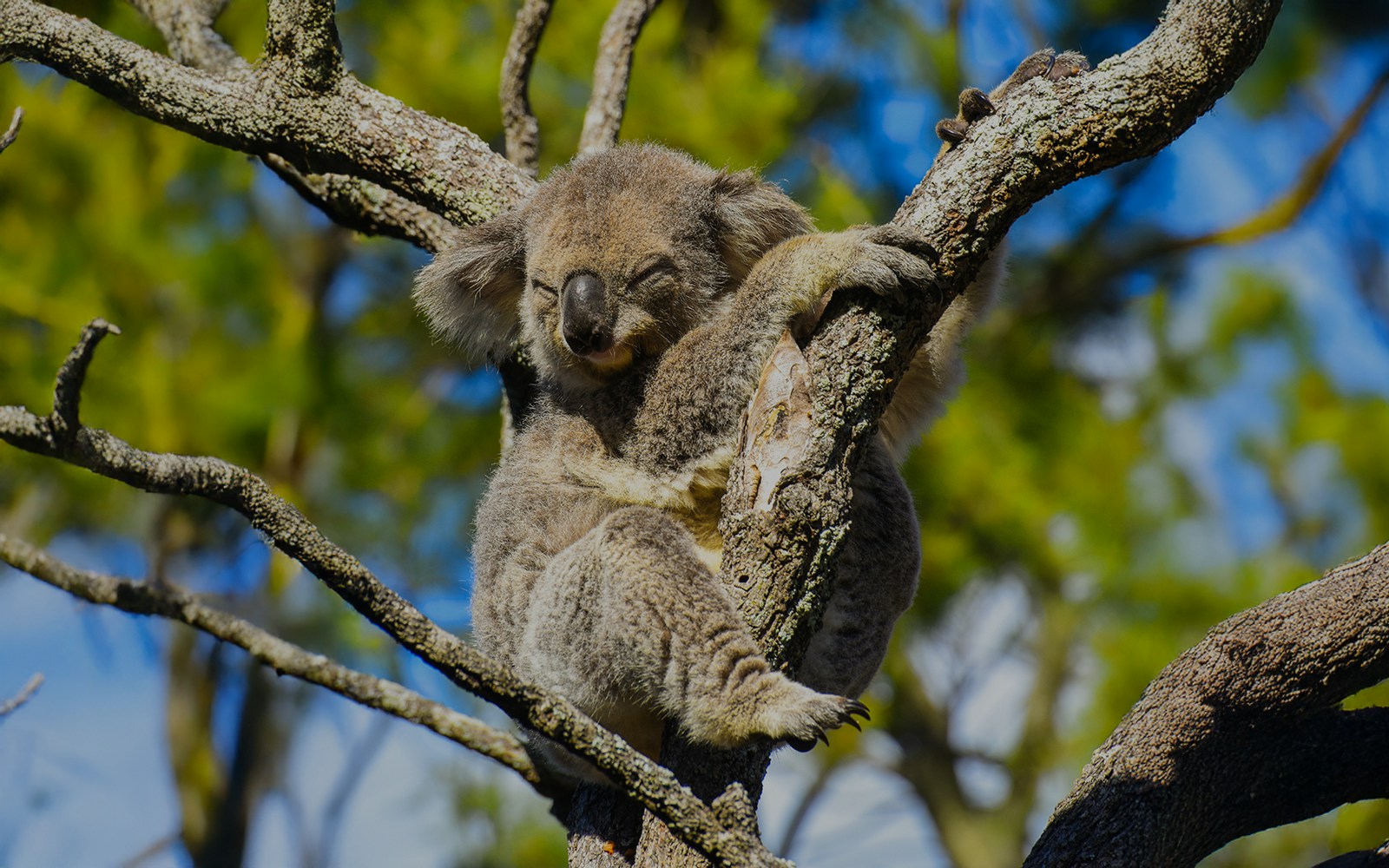
Dolphins, sea turtles, dugongs, kangaroos, wallabies, koalas, bandicoots, and diverse birdlife are common around beaches, dunes, and forests.
Yes, with proper precautions; always check tides, use life jackets if needed, and follow tour or ranger guidance.
Some visitor centres, cafés, and campsites provide limited facilities; it’s best to bring water, snacks, and sun protection.


