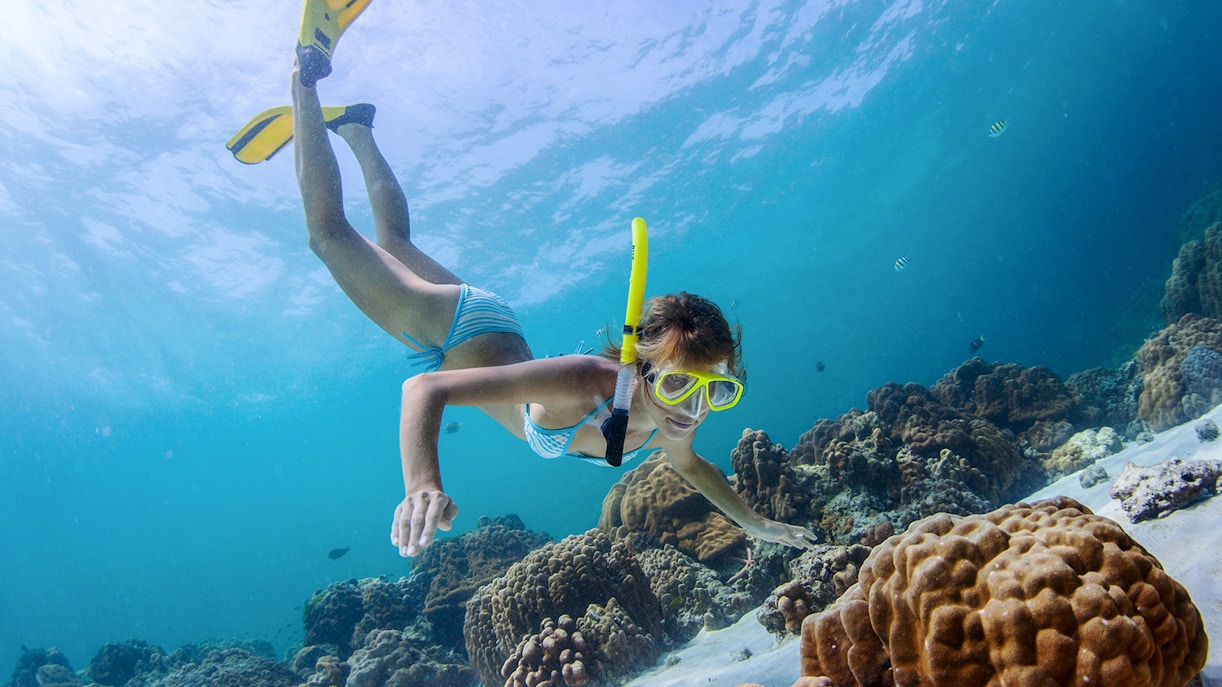
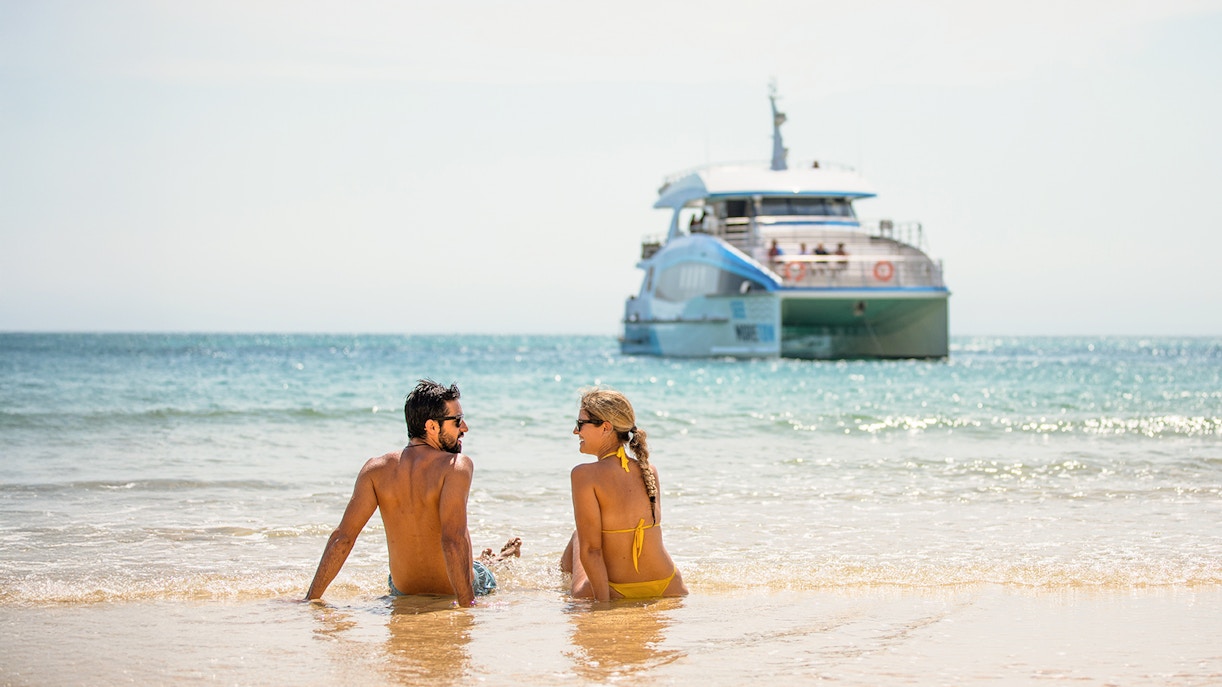
Summer (Dec-Feb): Warm weather, long daylight, ideal for snorkeling and beach activities. Crowds are higher; book early.
Autumn (Mar-May): Mild temperatures, fewer crowds. Perfect for photography, wildlife, and sandboarding.
Winter (Jun-Aug): Cooler weather; low crowd levels. Good for relaxed walks, birdwatching, and off-peak experiences.
Spring (Sep-Nov): Pleasant temperatures and blooming coastal flora. Moderate crowds; great for beach walks and wildlife spotting.
Weekdays (Mon-Thu): Quieter; easier access to tours and activities.
Friday: Moderate crowds; some full-day tours may start filling up.
Saturday & Sunday: Peak visitor days; tours fill quickly.
Morning tours: Best for soft light, cooler temperatures, and calmer beaches. Great for photography.
Midday tours: Full island visibility, ideal for water activities. It can be warmer.
Late afternoon: Golden hour for photos; wildlife may be more active. Tours return before sunset.
Weather at Moreton Island
Summer (Dec-Feb)
Average temp: 25-30 °C
Crowd levels: High
What to expect: Warm, sunny days perfect for snorkeling, kayaking, and sandboarding. Beaches are lively, and ferries run at a higher frequency to meet demand.
Autumn (Mar–May)
Average temp: 20-25 °C
Crowd levels: Moderate
What to expect: Mild, pleasant weather with quieter beaches. Great season for relaxed exploring, nature walks, and soft light for photography.
Winter (Jun-Aug)
Average temp: 15-20 °C
Crowd levels: Low
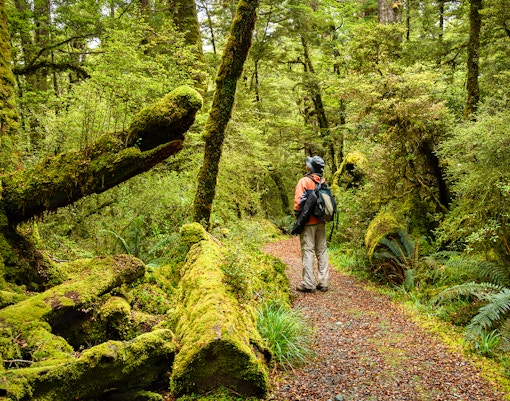
What to expect: Cooler conditions with crisp air, fewer visitors, and excellent opportunities for bush walks and wildlife spotting. Water activities are limited.
Spring (Sep-Nov)
Average temp: 20-25 °C
Crowd levels: Moderate
What to expect: Blooming flora and comfortable conditions make this an all-rounder season. Ideal for beach relaxation, adventure sports, and scenic photography.
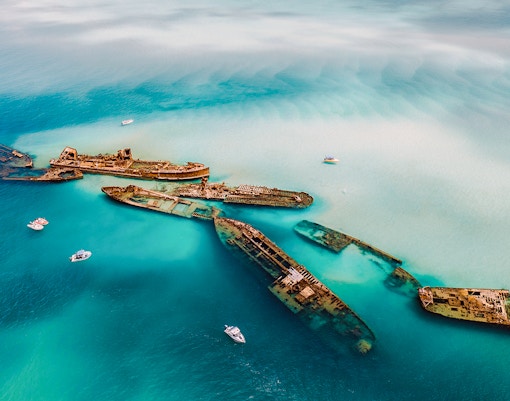
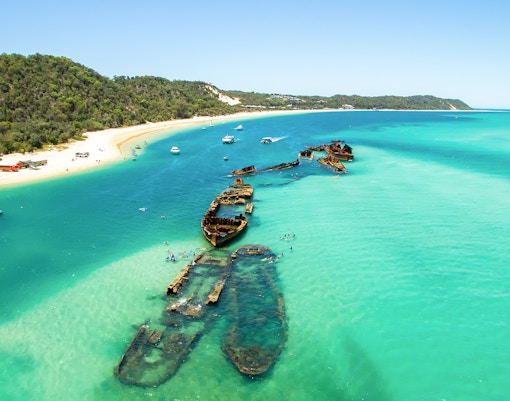
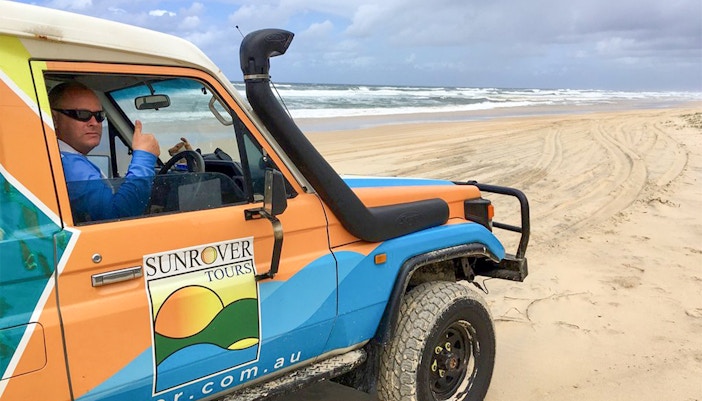
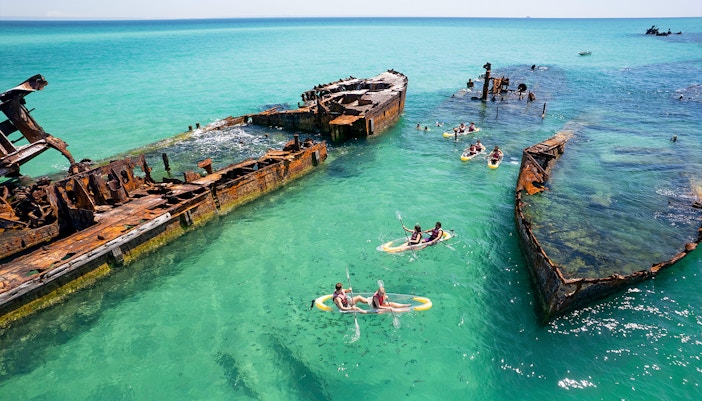
What’s included: Return ferry transfers, guided snorkelling at the Tangalooma Wrecks, transparent kayaking, and a 4WD desert safari with sand tobogganing.
Best for: Visitors who want a classic day out with plenty of variety and time for lunch on the island.
10 hours (Extended tour)
What’s included: Snorkelling, kayaking, and 4WD activities, plus extra experiences such as the Marine Discovery Cruise or a visit to Blue Lagoon and Cape Moreton Lighthouse.
Best for: Travellers who want to go beyond the highlights and enjoy a slower pace with more stops.
13 hours (Ultimate adventure)
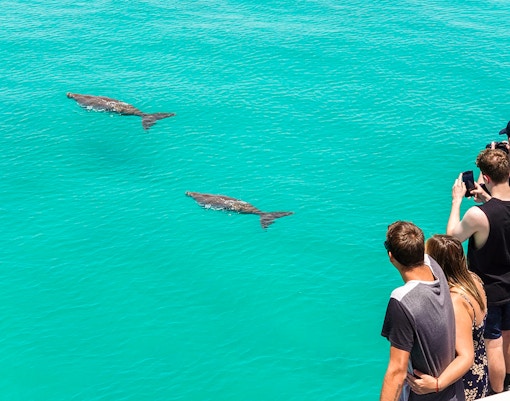
What’s included: Early ferry transfers, full-day adventure with snorkelling, kayaking, and off-road touring, then evening experiences like dolphin feeding or sunset viewing before the return trip.
Best for: Adventure seekers who want to experience everything Moreton Island has to offer in a single trip.
Frequently asked questions about Moreton Island day trip timings
Most tours depart Brisbane in the morning, with ferries leaving around 7am-8:30am, depending on the season and operator.
Return ferries typically depart between 3:30pm and 5:30pm, though some extended tours include later evening sailings after activities like dolphin feeding.
The crossing takes about 75-90 minutes each way, depending on the operator and sea conditions.
It’s possible, but most visitors choose a full day (8-10 hours) to make the ferry transfer worthwhile. Half-day trips are usually limited to beach visits and a single activity.
Yes. In summer, earlier departures and later returns are common to make the most of daylight. In winter, departures may be later in the morning with earlier returns.
Yes—standard day trips are designed to fit in multiple activities like snorkeling, sandboarding, and kayaking alongside time for lunch and beach breaks.
Not necessarily. Some tours include dolphin feeding and arrange evening ferry departures back to Brisbane, but this extends the trip to 12-13 hours.